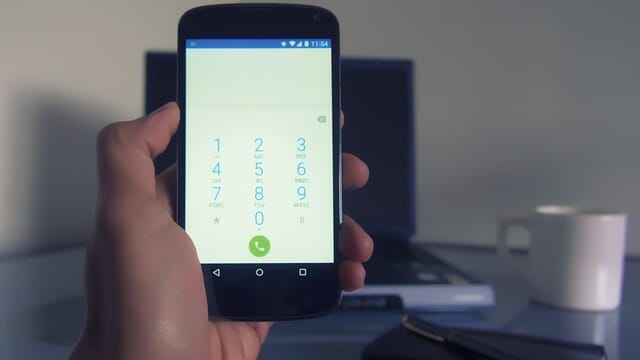
The Legal Landscape of Reverse Phone Lookup Services Explained
The Legal Landscape of Reverse Phone Lookup Services Explained in English Language
Understanding reverse phone lookup services can feel like navigating a maze. These tools allow users to identify the owner of a phone number, which can be incredibly helpful. Whether you're trying to find out who called you or verifying someone's identity, these services come in handy. However, not everything is straightforward. The legal landscape surrounding them is complex and varies by location. This article will dive into that landscape, clarifying what is allowed and what isn't when it comes to reverse phone lookup services.

What Are Reverse Phone Lookup Services?
Reverse phone lookup services are platforms designed to help you track down the owner of a specific phone number. You might wonder, how do they work? It’s pretty simple! Users enter a phone number into the service, and it returns information linked to that number. This may include the name of the person, their address, and other contact details.
These services often pull data from public records, social media profiles, and other databases. Some popular examples include Whitepages and Spokeo. They’re especially useful for identifying unknown callers or verifying contacts before meeting up with someone.
However, there’s more than meets the eye. Not all reverse phone lookup services operate legally or ethically. Users should tread carefully and choose reputable platforms that comply with privacy laws.
Is It Legal to Use Reverse Phone Lookup Services?
The legality of using reverse phone lookup services largely depends on where you are located and how you intend to use the information obtained. Generally speaking, it's legal to use these services for personal reasons like confirming an unknown caller's identity.
In many countries, privacy laws dictate what kind of information can be shared publicly. Services must abide by these regulations to operate legally. For example, in the United States, the Fair Credit Reporting Act (FCRA) plays a significant role in determining how consumer information can be used.
If you plan on using this information for commercial purposes or harassment, then it's definitely illegal and could lead to serious consequences. Always ensure you're aware of local laws before utilizing such services.
What Data Can You Access Through Reverse Phone Lookup?
When using a reverse phone lookup service, various types of data may be available depending on the platform you choose. Here are some common pieces of information you might uncover:
- Name: The primary benefit is identifying who owns the number.
- Address: Many services provide last known addresses associated with the number.
- Email Addresses: Some lookups even yield email information.
- Social Media Profiles: Links to social media accounts tied to that number can sometimes be found.
- Criminal Records: Certain platforms may offer access to public records including criminal history.
However, remember that not all services provide comprehensive data or guarantee accuracy. Fees may apply for accessing detailed reports as well.
Are There Ethical Concerns with Using These Services?
Absolutely! While reverse phone lookup services can provide valuable insights, ethical Caller ID lookup concerns often arise surrounding privacy rights. Individuals have an expectation of privacy VOIP number lookup regarding their personal data, even if it’s tied to public records.
Using such services irresponsibly can lead to stalking or harassment situations. Moreover, there’s potential for misuse in scams—fraudsters might exploit this data against unsuspecting victims.
It’s crucial to approach these tools responsibly and ethically while respecting others’ privacy rights. Always think twice about why you're seeking this information and ensure your intentions are legitimate.
Frequently Asked Questions (FAQs)
Reverse telephone lookup1. Can I trust all reverse phone lookup services? Not all platforms are trustworthy; some may provide inaccurate data or charge hidden fees. Always check reviews and make sure the service complies with applicable laws before using it.
2. Are free reverse phone lookup options safe? Free options exist but might not always deliver accurate results or protect your personal info effectively. Paid versions usually offer better security features and more reliable data.
Conclusion
Navigating the legal landscape of reverse phone lookup services requires caution and awareness. Understanding what these services offer is essential for responsible use. While they can help uncover valuable information about unknown callers or contacts, ethical considerations shouldn't be overlooked either.
Always ensure you're using reputable platforms that adhere to privacy phone lookup laws in your area. By doing so, you'll make informed decisions while respecting individuals' rights to privacy—a win-win situation!